
Binoculars
5 products

Optics for birds, walks and the night sky
8x42 and 10x42 roof prism binoculars, a waterproof 12x50, a classic 10x50, a compact pair, a zoom monocular and digital night vision. With straight answers on magnification, brightness and caring for optics in British weather.
Full-size binoculars, pocket sized compacts, monoculars and digital night vision.
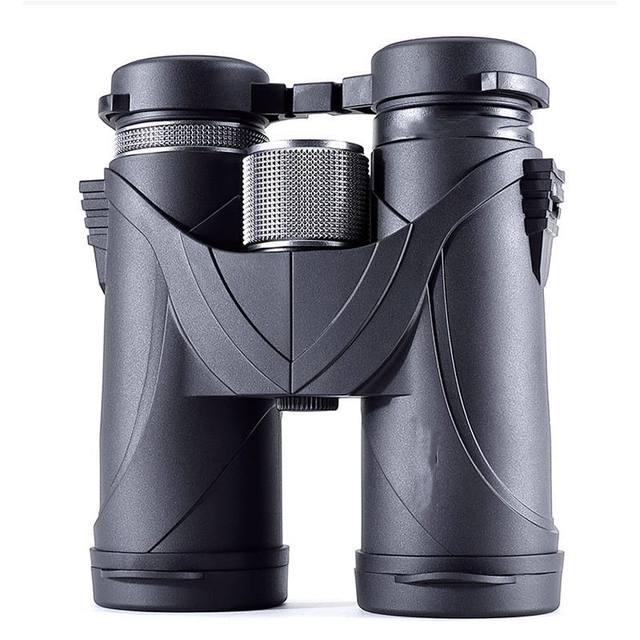
8x magnification 42 mm lenses Roof prism Exit pupil 5.25 mm Black
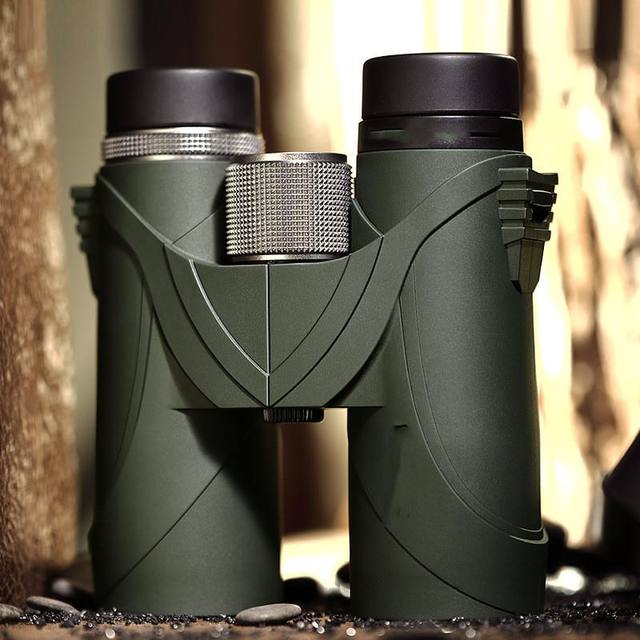
10x magnification 42 mm lenses Roof prism Field 102 m at 1,000 m Green
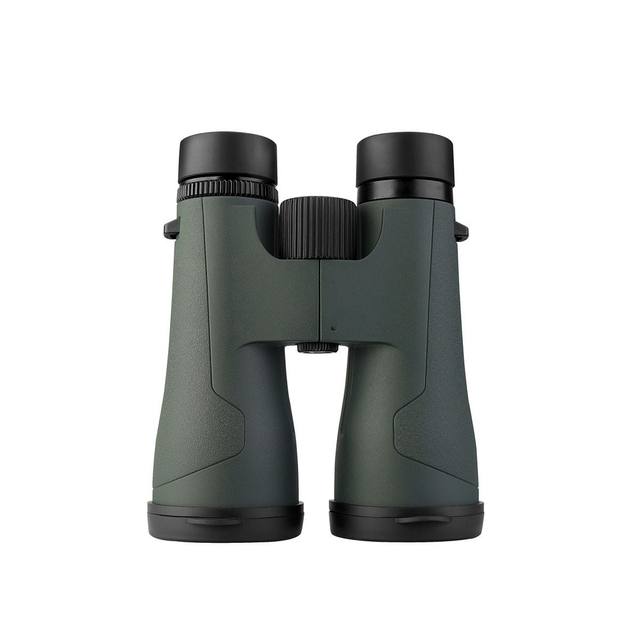
12x magnification 50 mm lenses IPX7 waterproof BaK-4 roof prism Close focus 2.5 m
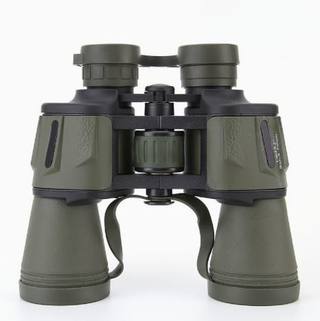
10x magnification 50 mm lenses Porro prism Exit pupil 5 mm Green
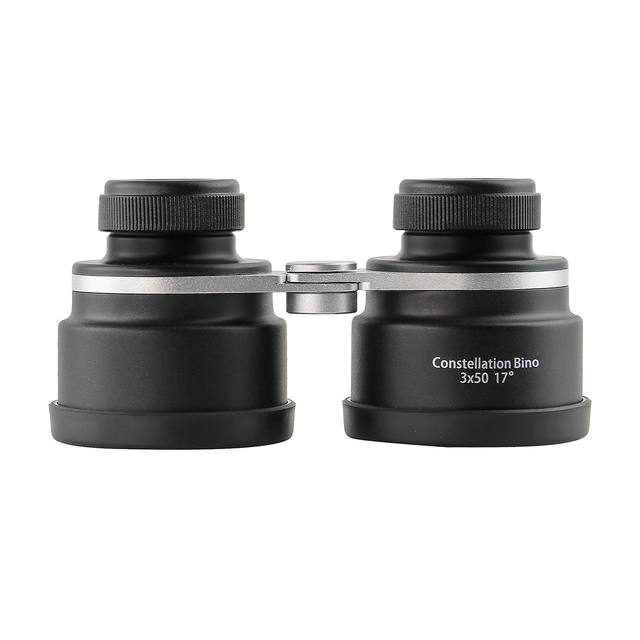
3x magnification 50 mm lenses 17 degree field For star fields About 400 g
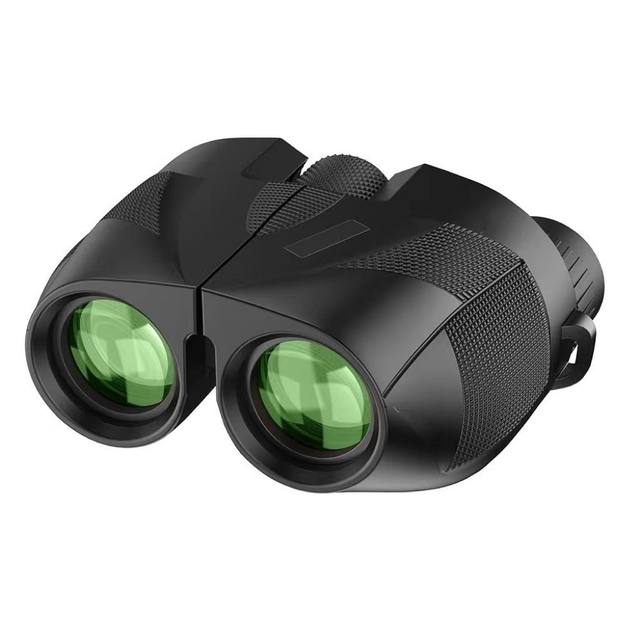
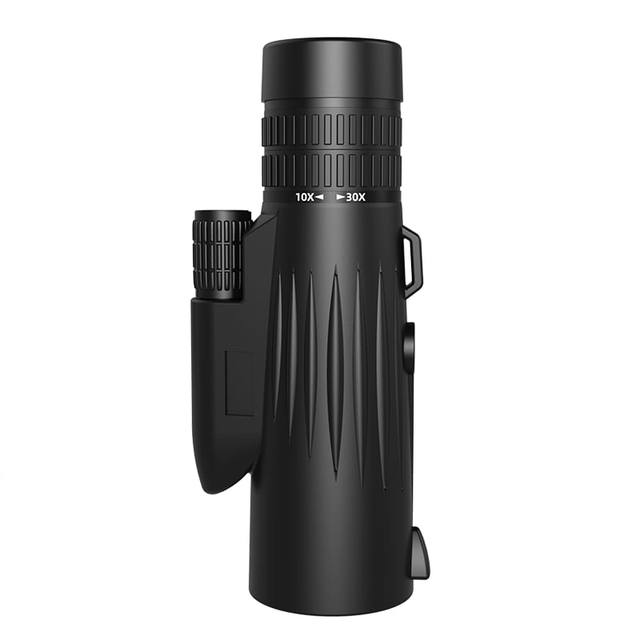

Both use 42 mm lenses, so they gather the same amount of light. 8x42 binoculars show a wider, steadier and slightly brighter view (exit pupil 5.25 mm), which makes birds in trees and hedges easier to find and follow. 10x42 binoculars bring things a little closer (exit pupil 4.2 mm), which pays off over water, moorland and estuaries. If you mostly watch the garden, woodland and local walks, start with 8x. If you scan open country and coasts, 10x is worth it. Our guide compares them in real birding situations.
Numbers, magnification, stargazing, night vision and care, explained in plain English.

Birdwatching
8x or 10x for birdwatching? How magnification changes field of view, brightness and shake, and which suits woodland, gardens, estuaries and hills.

Basics
What 8x42, 10x50 and 12x50 mean: magnification, lens size, exit pupil, field of view, eye relief, close focus and the other figures on a binocular spec sheet.

Stargazing
Why 10x50 is the classic stargazing size, what binoculars show of the Moon, Jupiter, the Pleiades and Andromeda, and how to hold the view steady.
The first number is the magnification and the second is the diameter of each objective lens in millimetres. 10x50 binoculars magnify ten times through 50 mm lenses. Divide the lens size by the magnification to get the exit pupil (5 mm for a 10x50), which tells you how bright the view stays in poor light. More in What the numbers on binoculars mean.
Most birdwatchers use 8x42 or 10x42 binoculars. 8x gives a wider, steadier view for woodland and gardens, 10x more detail over water and open country. Look for a close focus of a few metres, waterproofing if you go out in all weathers, and long eye relief if you wear glasses. See Best binocular magnification for bird watching.
Yes. A 10x50 or 8x42 shows the craters of the Moon, star clusters such as the Pleiades and, from a dark site, the Andromeda Galaxy as a faint smudge. Rest your elbows on something or use a tripod to hold the view steady. Never point binoculars at the Sun. Read Binoculars for stargazing.
Added to your cart


